



Study in France

France at a glance

France invites you to a captivating blend of rich history, vibrant culture, and innovative spirit. As the world’s fourth-most popular destination for international students and the top non-English-speaking country, France welcomes hundreds of thousands of ambitious learners each year to its nearly 3,900 prestigious institutions. Enjoy world-class education, diverse programs, affordable tuition with extensive scholarships, dynamic student life in inspiring cities, and a welcoming multicultural environment that fosters both academic excellence and personal growth.

Why study in France?
Tuition & Living Costs

In France, public universities charge low tuition for most Bachelor’s and Master’s programs, typically around ,€170–€380 per year for EU students and €3,000–€6,000 for non-EU students. Grandes Écoles and private institutions have higher fees, often €10,000–€20,000 per year. Living expenses average €900–€1,300/month, with rent (€350–€700) as the largest cost. Shared housing, student residences, and careful budgeting can help reduce overall expenses.

Scholarships & Funding

In France, students can finance their studies through government and regional scholarships, university-based awards, and private foundations.
Programs such as the Eiffel Excellence Scholarship support international Bachelor’s, Master’s, and PhD students.
Erasmus+ provides funding for study and internship mobility across Europe, including tuition exemptions at host institutions. Guidance on available scholarships, application procedures, and deadlines is offered at the international offices of French universities.

France way of Education

France offers a world-class higher education system structured around the Bachelor, Master, and Doctorate degrees, ensuring global recognition and mobility. With over 3,500 public and private institutions, including renowned universities, Grandes Écoles, engineering and business schools, France hosts more than 430,000 international students. This diverse, high-quality system emphasizes research, innovation, and accessibility, making it an ideal choice for ambitious students seeking excellence in a vibrant academic environment

Practical Information

To study in France, international students follow the Campus France procedure for applications and guidance. Secure your student visa through France-Visas, needing proof of enrolment, sufficient financial resources, accommodation confirmation, and health coverage. Practical steps include arranging housing, often CROUS university residences or private options, and embracing vibrant student life in a diverse, welcoming environment. Meet all official requirements for a seamless experience in this top destination for international education.

Work Permit and Financial Aids
International students in France can work part-time without needing a separate work permit, up to 964 hours per year (equivalent to 60% of full-time hours, or about 20-21 hours per week on average), allowing flexibility during holidays for more hours. This auxiliary income helps with expenses but won’t cover all costs. For financial support, explore scholarships via Campus France, CROUS grants on social criteria, housing aids like APL, and emergency funds, many options exist to ease your budget while focusing on studies in this welcoming academic destination.
Post Graduate Work opprtuinities

Graduating from a French higher education institution opens promising post-graduate work opportunities in France. Non-EU graduates with at least a Master’s-level degree (or equivalent) can apply for a one-year “job seeker / new business creator” residence permit, allowing unrestricted job search or company creation in a field related to their studies. This permit authorizes full-time work once a qualifying contract is secured, with no employer work authorization needed initially. Many international students successfully transition to professional roles, benefiting from France’s dynamic job market and pathways to longer-term residence for skilled employment.

University classifications

France’s higher education system features a dual structure with over 3,500 public and private institutions. Universities, around 78, offer comprehensive programs across disciplines under the LMD (Licence-Master-Doctorate) framework, emphasizing research and broad accessibility.

Grandes Écoles, prestigious and selective public or private establishments, specialize in fields like engineering, business, management, political science, and more, often requiring competitive entrance exams and conferring Master’s-equivalent degrees after five years.

Student Experiences

Genuine experiences that show the trust and value JRK delivers to everyone we work with.

Arash
Arash
Working with UnisApply was a truly smooth and efficient experience. Within just three months, everything was completed, from admission to my Netherlands visa. Their excellent follow-up, quick action, and constant responsiveness made a real difference, especially after my previous disappointing experience with other agencies.

Hamed
Hamed
UnisApply was recommended to me by a friend in my network who had a positive experience with them. Their years of experience, combined with honest and realistic advice during the consultancy session, quickly built my trust. Clear guidance and careful instructions supported me at every step, and I was very satisfied with the overall experience.
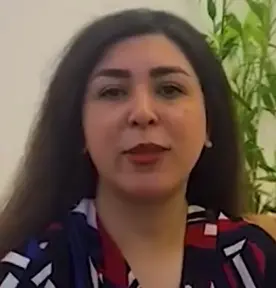
Shadi
Shadi
Despite personal challenges, the UnisApply team was consistently supportive, patient, and highly knowledgeable. They guided me through every step of the admission and visa process with clarity and confidence. By presenting multiple strong offers, they helped me choose the best option for my goals. I highly recommend UnisApply to anyone seeking reliable and professional guidance.

Reza
Reza
From the very beginning, the UnisApply team demonstrated exceptional expertise and professionalism. Their experienced and highly specialized advisors ensured my entire admission process went smoothly with minimal stress. Everything was handled efficiently, and I achieved my goal exactly as planned. I confidently recommend UnisApply for their reliable and expert guidance.

Mahsa
Mahsa
I was introduced to UnisApply through friends and chose them because of their strong reputation in our local market. Despite personal challenges and tight deadlines due to my unfinished bachelor’s degree, their specialists remained fully supportive and attentive. Thanks to their consistent follow-up and guidance, I successfully secured my master’s admission.

Don’t wait for opportunities, create them. Begin your journey today and shape your future abroad.

Frequently Asked Questions (FAQs)?

Find quick answers to common questions about studying, admissions, and life in France.

Is it possible to study for free in France?

At most public universities in Germany, there are no tuition fees or only very low tuition fees for international and domestic students. However, students are required to pay a semester contribution (Semesterbeitrag).This semester contribution typically ranges between approximately €70 and €430 per semester and may include services such as a public transportation ticket.

children of a student applying to study in France?
Yes, by studying in France, you can apply for a dependent visa for your spouse and children under 18 years old.

Yes, one of the best ways for educational immigration to France is enrolling in French language courses.

Applications for scholarships accepted by the French government are submitted through the “Cultural Services” section of the French Embassy in the applicant’s country of residence. These scholarships are generally awarded to master’s or PhD students.

In France, public universities charge low tuition fees for most bachelor’s and master’s programs; typically around €170–€380 per year for EU students and about €3,000–€6,000 for non-EU students. Grandes Écoles and private institutions have higher tuition fees, often between €10,000 and €20,000 per year.

A monthly budget of €900–€1,300 is usually needed to cover food, transportation, and housing expenses. This amount varies depending on the city and lifestyle.

Yes, any international student enrolled at a university that is part of the student social security system can work up to 20 hours per week.

A PhD program typically takes between three and six years.

The academic year starts in September and ends in late August. Educational institutions are generally closed during July and August.